
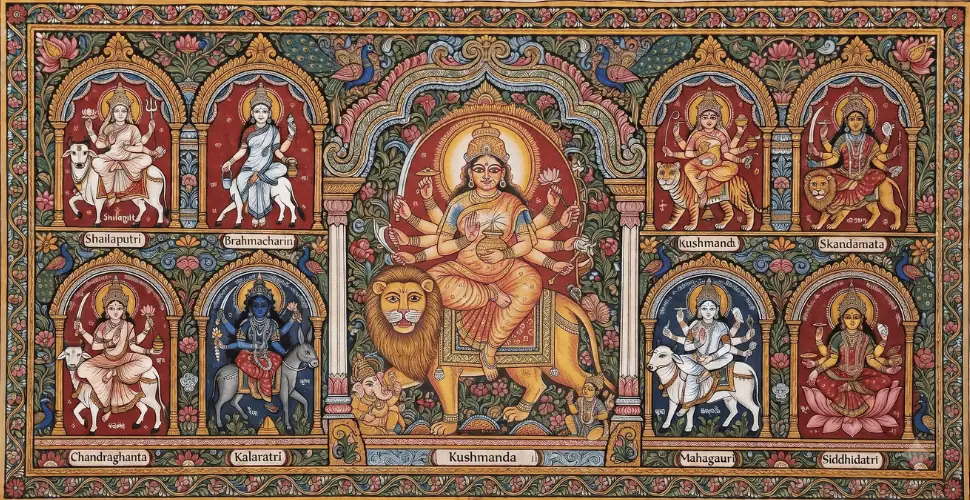
Sharad Navratri 2026 begins on Sunday, October 11, 2026, and is observed through the Navratri period leading to Vijayadashami on Tuesday, October 20, 2026. The festival begins with Ghatasthapana and the worship of Maa Shailputri, followed by the traditional worship of the nine forms of Maa Durga.
Sharad Navratri, also known as Sharadiya Navratri or Shardiya Navratri, is a sacred period dedicated to Maa Durga and the Divine Mother. Devotees observe Puja, Mantra chanting, fasting, Havan, Aarti and other devotional practices throughout these days.
In 2026, the Navratri calendar also includes important observances such as Ghatasthapana, Saraswati Avahan, Durga Ashtami, Maha Navami and Vijayadashami. The exact Puja Muhurat can vary according to location, so local Panchang timings should be checked before performing time-sensitive rituals.
When Is Sharad Navratri 2026?
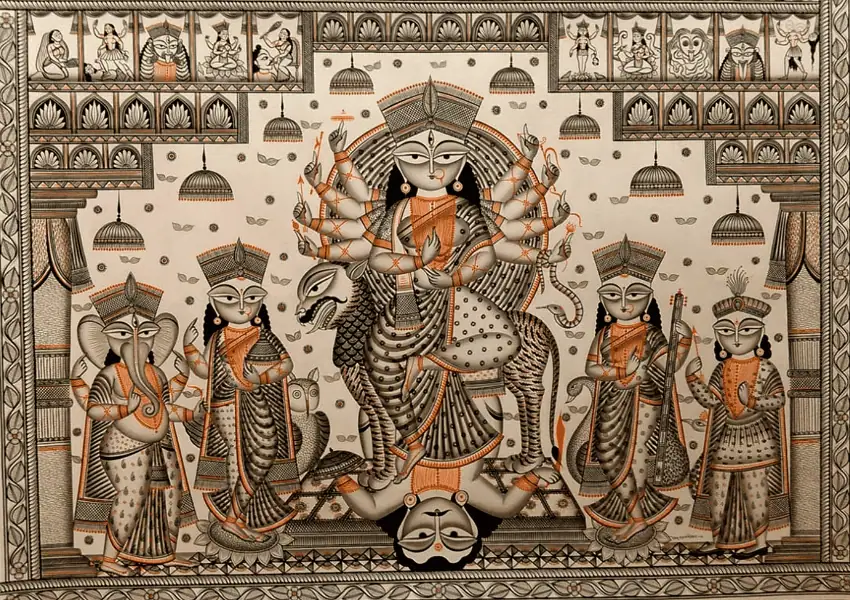
Sharad Navratri 2026 begins on Sunday, October 11, 2026.
The first day is Ashwina Shukla Pratipada and includes Ghatasthapana and Maa Shailputri Puja. The Navratri observance continues through the worship of the forms of Navadurga, with Durga Ashtami and Maha Navami falling toward the end of the festival. Vijayadashami is observed on October 20, 2026 in the commonly followed calendar for Madhya Pradesh and many parts of North India.
Sharad Navratri 2026 at a Glance
| Occasion | Date | Day |
|---|---|---|
| Sharad Navratri Begins | October 11, 2026 | Sunday |
| Ghatasthapana | October 11, 2026 | Sunday |
| Day 2 | October 12, 2026 | Monday |
| Day 3 | October 13, 2026 | Tuesday |
| Day 4 | October 14, 2026 | Wednesday |
| Day 5 | October 15, 2026 | Thursday |
| Day 6 | October 16, 2026 | Friday |
| Day 7 | October 17, 2026 | Saturday |
| Day 8 | October 18, 2026 | Sunday |
| Durga Ashtami | October 19, 2026 | Monday |
| Maha Navami | October 19, 2026 | Monday |
| Vijayadashami / Dussehra | October 20, 2026 | Tuesday |
The 2026 calendar shows Navratri beginning on October 11, with Durga Ashtami and Maha Navami observed on October 19 and Vijayadashami on October 20. Tithi observances can vary by location, so local Panchang calculations should be used for exact Puja timings.
Sharad Navratri 2026 9 Days Calendar
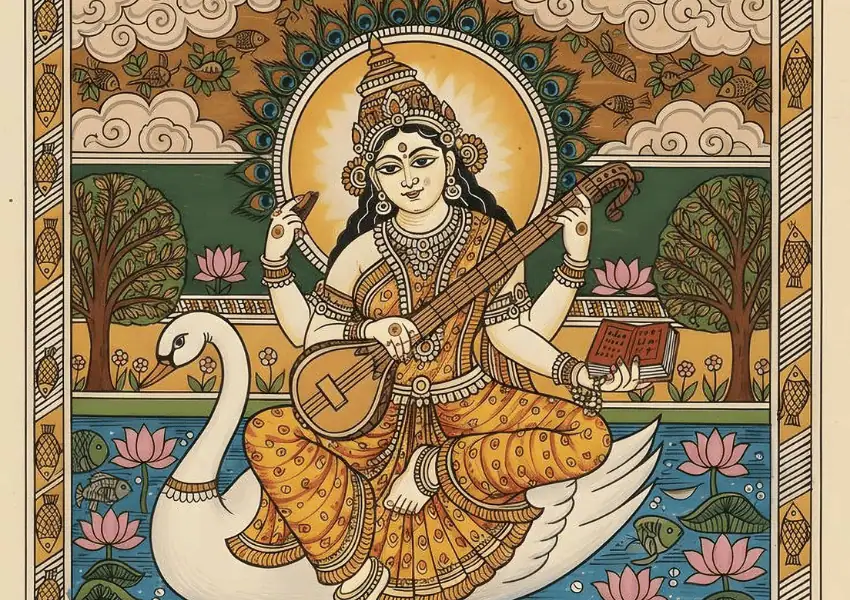
The nine days of Sharad Navratri are traditionally associated with the nine forms of Maa Durga, known as Navadurga.
Day 1 – Maa Shailputri
October 11, 2026 – Sunday
The first day of Sharad Navratri begins with Ghatasthapana and the worship of Maa Shailputri.
Maa Shailputri is traditionally regarded as the first form of Navadurga. Devotees begin Navratri with prayer, Sankalp and worship of the Divine Mother.
Navratri color: Orange
Mantra: ॐ देवी शैलपुत्र्यै नमः॥
The 2026 Panchang calendar lists October 11 as the first day, with Ghatasthapana and Shailputri Puja. Orange is listed as the day’s Navratri color.
Day 2 – Maa Brahmacharini
October 12, 2026 – Monday
The second day is dedicated to Maa Brahmacharini, the second form of Navadurga.
Devotees may offer flowers, Naivedya and prayers while chanting her traditional Mantra.
Navratri color: White
Mantra: ॐ देवी ब्रह्मचारिण्यै नमः॥
The 2026 calendar associates October 12 with Brahmacharini Puja and lists white as the day’s color.
Day 3 – Maa Chandraghanta
October 13, 2026 – Tuesday
The third day is dedicated to Maa Chandraghanta.
Devotees worship Maa Chandraghanta through prayer, offerings and Mantra chanting and seek the blessings of the Divine Mother.
Navratri color: Red
Mantra: ॐ देवी चन्द्रघण्टायै नमः॥
October 13 is listed for Chandraghanta Puja in the 2026 Navratri calendar, with red as the day’s color.
Day 4 – Maa Kushmanda
October 14, 2026 – Wednesday
The fourth day is dedicated to Maa Kushmanda.
Devotees offer prayers and traditional offerings to Maa Kushmanda as part of their Navratri worship.
Navratri color: Royal Blue
Mantra: ॐ देवी कूष्माण्डायै नमः॥
The 2026 calendar lists October 14 for Kushmanda Puja and royal blue as the day’s color.
Day 5 – Maa Skandamata
October 15, 2026 – Thursday
The fifth day is dedicated to Maa Skandamata, traditionally worshipped as the mother of Lord Skanda.
Devotees may perform Puja, chant her Mantra and offer prayers for peace and divine blessings.
Navratri color: Yellow
Mantra: ॐ देवी स्कन्दमात्रे नमः॥
The 2026 calendar lists October 15 as Skandamata Puja and associates yellow with the day.
Day 6 – Maa Katyayani
October 16, 2026 – Friday
The sixth day is dedicated to Maa Katyayani.
Devotees worship Maa Katyayani with traditional offerings, prayers and Mantra chanting.
Navratri color: Green
Mantra: ॐ देवी कात्यायन्यै नमः॥
October 16 is listed for Katyayani Puja, with green as the Navratri color.
Day 7 – Maa Kalaratri
October 17, 2026 – Saturday
The seventh day is dedicated to Maa Kalaratri.
Devotees offer prayers to Maa Kalaratri and seek divine protection, strength and courage.
Navratri color: Grey
Mantra: ॐ देवी कालरात्र्यै नमः॥
The 2026 calendar lists October 17 for Kalaratri Puja and grey as the day’s color.
Day 8 – Maa Mahagauri
October 18, 2026 – Sunday
The eighth day is traditionally associated with Maa Mahagauri.
However, in the 2026 Madhya Pradesh calendar, the tithi sequence is not simply one Navadurga form per Gregorian date. The calendar shows October 18 as the eighth calendar day of Navratri, while Durga Ashtami falls on October 19.
Navratri color: Purple
Mantra: ॐ देवी महागौर्यै नमः॥
Durga Ashtami – October 19, 2026
Durga Ashtami is one of the most important days of Sharad Navratri.
In the 2026 Madhya Pradesh calendar, Durga Ashtami falls on Monday, October 19. Maa Mahagauri is traditionally associated with the eighth form of Navadurga, and many devotees perform special Puja, Kanya Puja, Aarti or Havan according to their family and regional tradition.
Navratri color: Peacock Green
Mantra: ॐ देवी महागौर्यै नमः॥
Maha Navami – October 19, 2026
Maha Navami is also observed on October 19, 2026, according to the Madhya Pradesh calendar.
The Navami observance is associated with the worship of Maa Siddhidatri, the ninth form of Navadurga. Many devotees perform special prayers, Havan and other concluding Navratri rituals on Ashtami or Navami according to their tradition.
Mantra: ॐ देवी सिद्धिदात्र्यै नमः॥
Sharad Navratri 2026 Colors
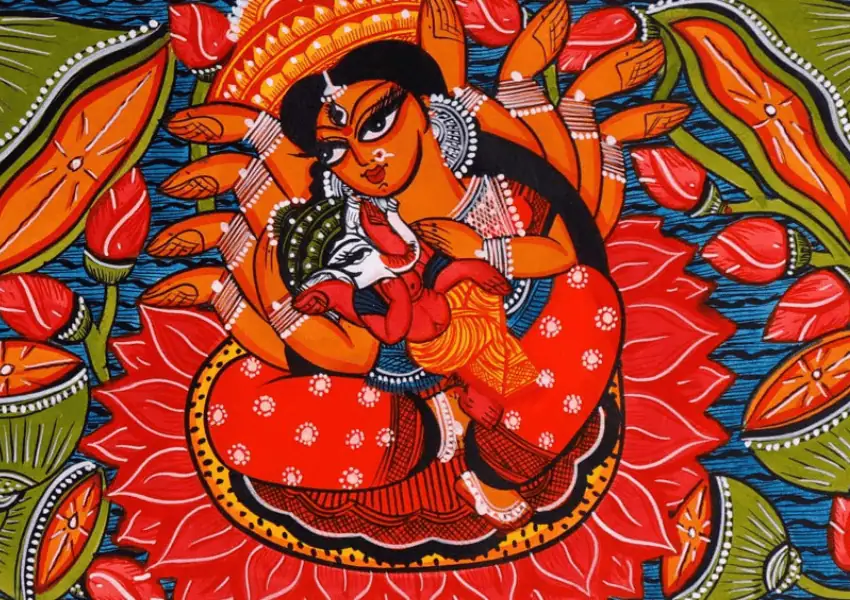
The traditional Navratri colors are especially popular for devotees who choose to wear a particular color during each day of Navratri.
For 2026, the commonly listed sequence is:
| Date | Day | Navratri Color |
|---|---|---|
| October 11 | Sunday | Orange |
| October 12 | Monday | White |
| October 13 | Tuesday | Red |
| October 14 | Wednesday | Royal Blue |
| October 15 | Thursday | Yellow |
| October 16 | Friday | Green |
| October 17 | Saturday | Grey |
| October 18 | Sunday | Purple |
| October 19 | Monday | Peacock Green |
These colors are based on the 2026 Navratri calendar and can differ between regional traditions.
Sharad Navratri 2026 Ghatasthapana
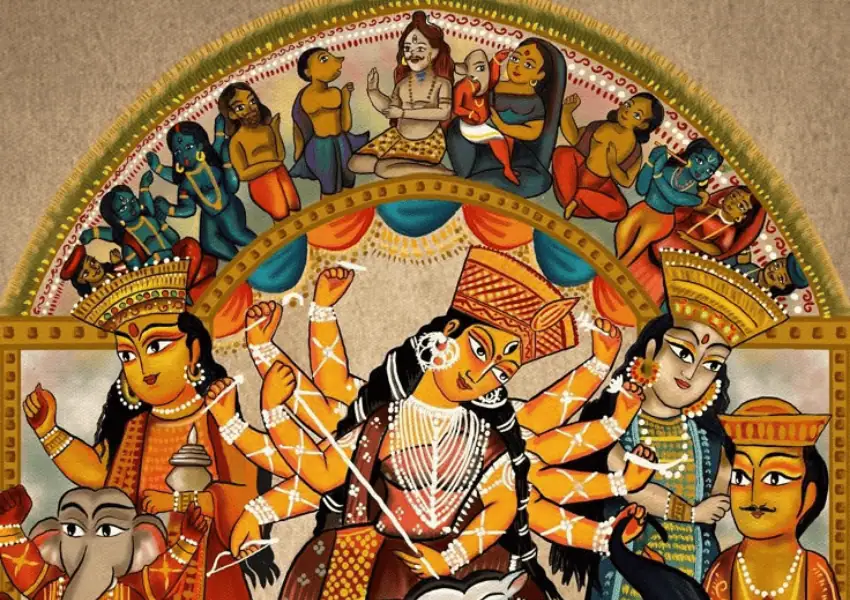
Ghatasthapana, also called Kalash Sthapana, marks the beginning of Navratri worship for many devotees.
In 2026, Ghatasthapana falls on Sunday, October 11. The exact Muhurat is location-specific. For example, Panchang calculations for different Indian cities give different local Ghatasthapana windows, even though the date remains October 11.
Therefore, devotees should check the Ghatasthapana Muhurat for their own city before performing the ritual.
A traditional Ghatasthapana observance may include:
- Preparing and cleaning the Puja area
- Establishing the Kalash
- Placing sacred grains according to tradition
- Invoking Maa Durga and Shakti
- Lighting a Diya
- Making a Sankalp
- Beginning daily Navratri worship
Those following a particular family, regional or Guru tradition should follow the method prescribed by that tradition.
Sharad Navratri 2026 Puja Vidhi
Devotees can observe Sharad Navratri through daily Puja and prayer.
A simple home Puja can include:
- Clean the worship area.
- Bathe and wear clean clothes.
- Prepare the Maa Durga Puja setup.
- Perform Ghatasthapana on the first day if following this tradition.
- Light a Diya.
- Offer flowers and Naivedya.
- Worship the form of Maa Durga associated with that day’s observance.
- Chant the corresponding Navratri Mantra.
- Read a Devi Stotram, Chalisa or other devotional text.
- Perform Aarti.
- Offer personal prayers and Sankalp.
- Conclude with Prasad.
The exact Puja procedure can vary according to family tradition and regional practice.
Navratri Mantra for 2026
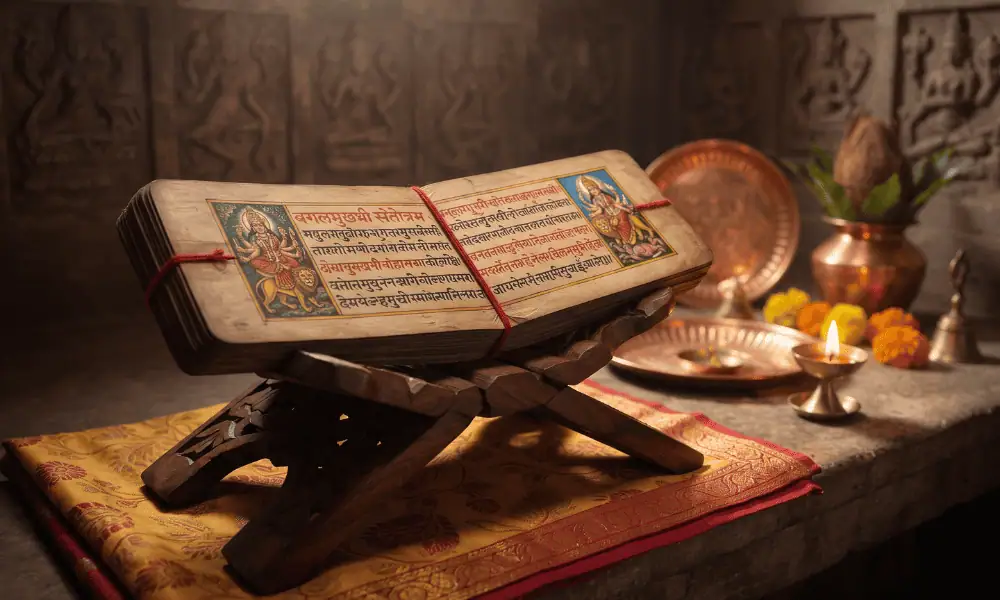
Devotees can chant the traditional Mantra associated with the form of Maa Durga worshipped on each day.
| Day | Goddess | Mantra |
|---|---|---|
| 1 | Maa Shailputri | ॐ देवी शैलपुत्र्यै नमः॥ |
| 2 | Maa Brahmacharini | ॐ देवी ब्रह्मचारिण्यै नमः॥ |
| 3 | Maa Chandraghanta | ॐ देवी चन्द्रघण्टायै नमः॥ |
| 4 | Maa Kushmanda | ॐ देवी कूष्माण्डायै नमः॥ |
| 5 | Maa Skandamata | ॐ देवी स्कन्दमात्रे नमः॥ |
| 6 | Maa Katyayani | ॐ देवी कात्यायन्यै नमः॥ |
| 7 | Maa Kalaratri | ॐ देवी कालरात्र्यै नमः॥ |
| 8 | Maa Mahagauri | ॐ देवी महागौर्यै नमः॥ |
| 9 | Maa Siddhidatri | ॐ देवी सिद्धिदात्र्यै नमः॥ |
For a broader explanation of Navratri worship and the nine forms of Devi, see our Sharad Navratri guide.
What to Do on Sharad Navratri 2026?
Devotees can observe Sharad Navratri according to their family tradition and personal devotional practice.
Common practices include:
- Performing daily Maa Durga Puja
- Chanting Devi Mantras
- Observing a Navratri fast
- Following a sattvik diet
- Reading devotional texts
- Performing Aarti
- Offering flowers and Naivedya
- Performing Havan
- Practicing charity and seva
- Maintaining a peaceful devotional environment
- Making a personal Sankalp
There is no need to make home worship unnecessarily complicated. A sincere and consistent devotional practice can be a meaningful way to observe Navratri.
Sharad Navratri Fasting 2026

Many devotees observe fasting during Sharad Navratri, while others follow a sattvik dietary routine.
Fasting practices vary across India and between families. Some devotees consume fruits, milk, Samak rice, Sabudana and other foods traditionally permitted during Navratri fasting.
If you observe a fast, follow the rules of your family or regional tradition and choose a routine appropriate for your circumstances.
Durga Ashtami and Maha Navami 2026
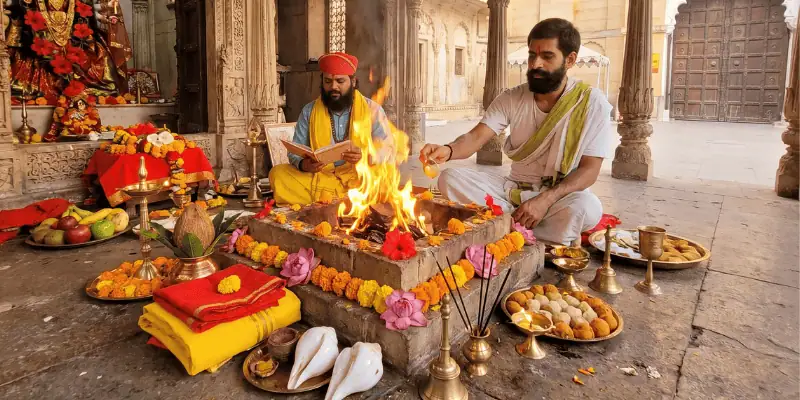
Durga Ashtami and Maha Navami are among the most significant concluding observances of Sharad Navratri.
In the 2026 Madhya Pradesh calendar:
- Durga Ashtami: October 19, 2026
- Maha Navami: October 19, 2026
- Vijayadashami: October 20, 2026
Maha Navami’s Tithi continues into October 20 in the Indore Panchang calculation, which is why local Panchang information is important when determining the exact time for rituals.
Depending on regional tradition, devotees may perform:
- Special Devi Puja
- Havan
- Kanya Puja
- Aarti
- Navami Homa
- Prasad distribution
- Navratri Parana
Vijayadashami 2026
Vijayadashami, also known as Dussehra, falls on Tuesday, October 20, 2026 in the commonly followed calendar.
Vijayadashami marks the conclusion of the Sharad Navratri period in many traditions.
The festival is associated with the victory of Lord Rama over Ravana and, in Devi traditions, the victory of Maa Durga over Mahishasura.
The exact Puja and Vijay Muhurat vary according to location. For example, the New Delhi Panchang lists Vijay Muhurat on October 20 from 1:59 PM to 2:45 PM. Devotees should check the local Panchang for their own city.
Can Maa Baglamukhi Be Worshipped During Navratri 2026?
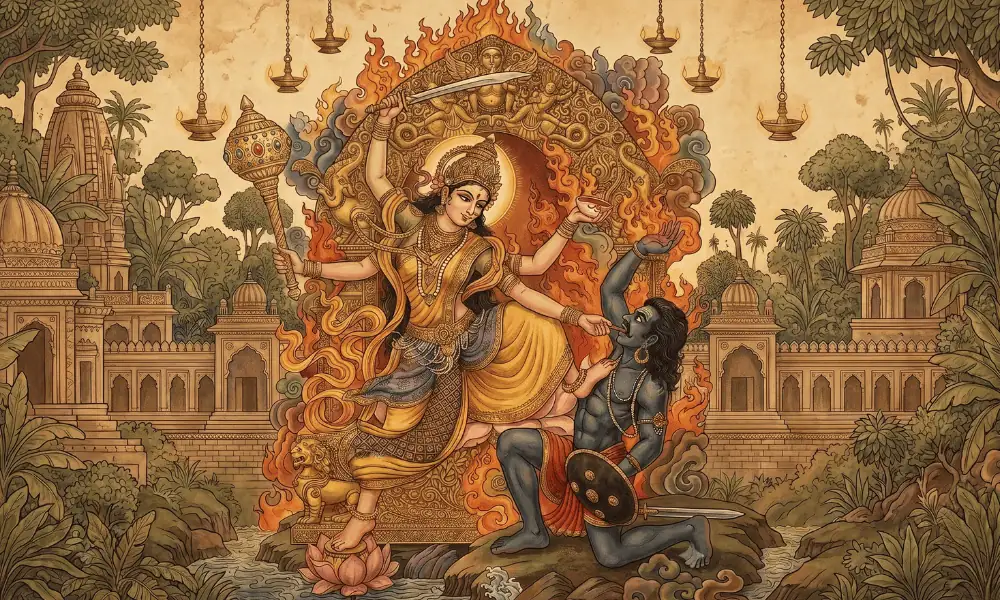
Yes. Devotees may worship Maa Baglamukhi during Sharad Navratri according to their devotional tradition, Sankalp or guidance from their Guru.
Maa Baglamukhi is one of the Ten Mahavidyas, and her worship is distinct from the nine forms of Navadurga traditionally associated with the nine days of Navratri.
Which Day Is for Maa Baglamukhi in Navratri?
There is no universally assigned day for Maa Baglamukhi among the nine Navadurga days of Sharad Navratri.
The nine-day Navratri sequence traditionally corresponds to the nine forms of Navadurga. Maa Baglamukhi belongs to the separate Mahavidya tradition.
Therefore, devotees should not assume that one of the nine Navratri days is officially designated as “Maa Baglamukhi Day.”
If you wish to worship Maa Baglamukhi during Navratri, you can follow your family tradition, personal Sankalp or the guidance of your Guru.
Can I Perform Baglamukhi Puja During Navratri?
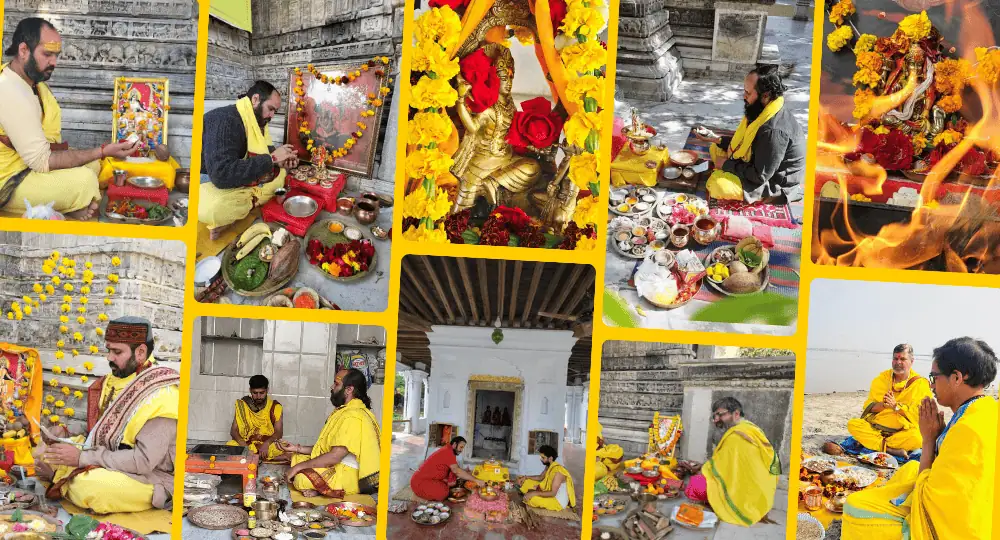
Devotees may perform or participate in Maa Baglamukhi Puja during Navratri according to their devotional practice.
A personalized Puja can include a Sankalp with the devotee’s Name, Gotra and Manokamna, followed by traditional worship and prayers.
You can learn more about Maa Baglamukhi Puja, Baglamukhi Mantra and Baglamukhi Havan through our dedicated guides.
Sharad Navratri 2026 Havan
Havan is a traditional fire ritual performed as an offering during Devi worship.
During Sharad Navratri, devotees may perform Havan according to their family tradition, with some observing special Havan on Ashtami or Navami.
A formal Havan may involve specific Mantras, Samagri and procedures. If you are unfamiliar with the ritual, it is appropriate to follow a qualified priest or established family tradition.
For devotees who wish to participate in a personalized Maa Baglamukhi Puja or Havan during Navratri, the Sankalp can be prepared with the devotee’s Name, Gotra and Manokamna.
How to Worship Maa Durga at Home During Navratri 2026
A simple home worship routine can be followed throughout the nine days.
You may:
- Keep the Puja area clean.
- Place an image or Murti of Maa Durga.
- Light a Diya.
- Offer flowers.
- Offer Naivedya.
- Chant the day’s Devi Mantra.
- Read a Devi Stotram or devotional text.
- Perform Aarti.
- Observe fasting according to your tradition.
- Make a personal Sankalp.
- Conclude the day’s worship with Prasad.
If you already have an established family or Guru tradition, follow that method rather than combining unrelated rituals.
Sharad Navratri 2026 FAQs
Sharad Navratri 2026 begins on Sunday, October 11, 2026. Ghatasthapana and Maa Shailputri Puja are observed on the first day.
Ghatasthapana is on October 11, 2026. The exact Muhurat varies by location, so devotees should check the local Panchang for their city.
The traditional nine forms are Maa Shailputri, Maa Brahmacharini, Maa Chandraghanta, Maa Kushmanda, Maa Skandamata, Maa Katyayani, Maa Kalaratri, Maa Mahagauri and Maa Siddhidatri.
Durga Ashtami is observed on Monday, October 19, 2026 in the Madhya Pradesh calendar.
Maha Navami is observed on October 19, 2026 in the Madhya Pradesh calendar. In the Indore Panchang, Navami Tithi continues into October 20.
Vijayadashami or Dussehra is observed on Tuesday, October 20, 2026 in the commonly followed calendar.
The commonly listed 2026 Navratri colors are orange, white, red, royal blue, yellow, green, grey, purple and peacock green across the nine-day sequence. Color traditions can vary by region.
Maa Baglamukhi does not have a universally assigned day among the nine Navadurga days of Sharad Navratri. She belongs to the Ten Mahavidyas and has a distinct worship tradition.
Yes. Devotees may worship Maa Baglamukhi during Navratri according to their tradition, Sankalp or spiritual guidance.
Yes. You can observe Navratri at home through daily prayer, Diya, flowers, Naivedya, Mantra chanting, Aarti and other practices according to your family tradition.
Devotees may chant the traditional Mantra associated with the form of Maa Durga worshipped on each day. The day-wise Mantras are provided above.
Sharad Navratri and Dussehra are closely connected in many traditions, but they are not the same observance. Sharad Navratri is the nine-night period of Devi worship, while Vijayadashami/Dussehra is observed on the tenth day in many traditions.
For the broader meaning, significance, nine forms of Maa Durga and general worship practices, see our Sharad Navratri guide. This 2026 article focuses specifically on the dates, calendar, colors and observances for 2026.