
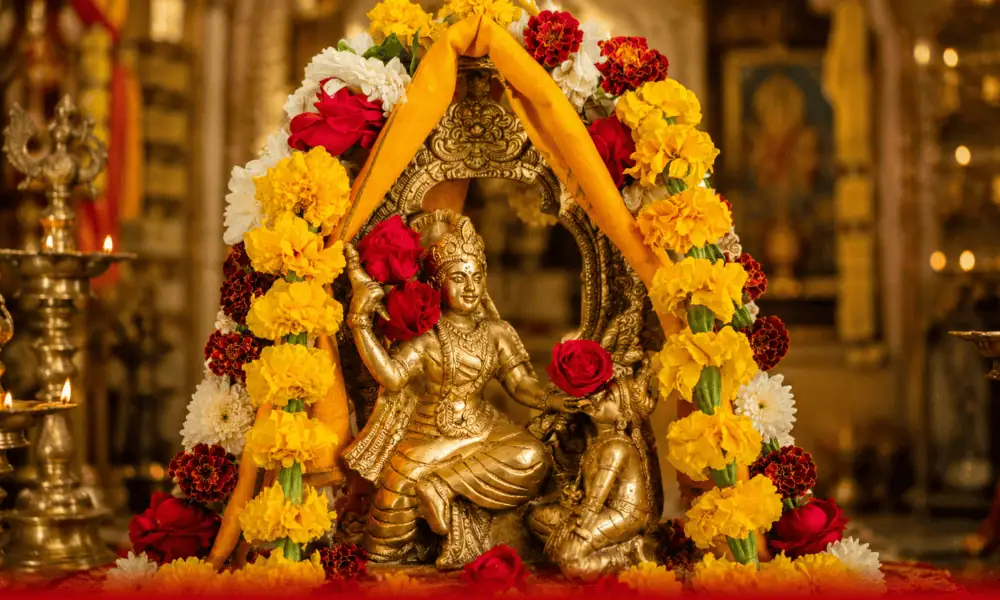
Baglamukhi Jayanti
Baglamukhi Jayanti is the sacred occasion dedicated to Maa Baglamukhi, one of the Ten Mahavidyas. Devotees observe this day through prayer, Puja, Mantra, Havan and other forms of traditional worship, seeking the blessings of Maa Baglamukhi with sincere devotion and a personal Sankalp.
Baglamukhi Jayanti is observed every year on Vaishakha Shukla Ashtami, the eighth day of the bright fortnight of the Hindu month of Vaishakha. The date therefore changes each year according to the Hindu lunar calendar.
This guide explains when Baglamukhi Jayanti is observed, its significance, what devotees can do on this day, traditional Puja Vidhi, Mantra, Havan and ways to worship Maa Baglamukhi at home.
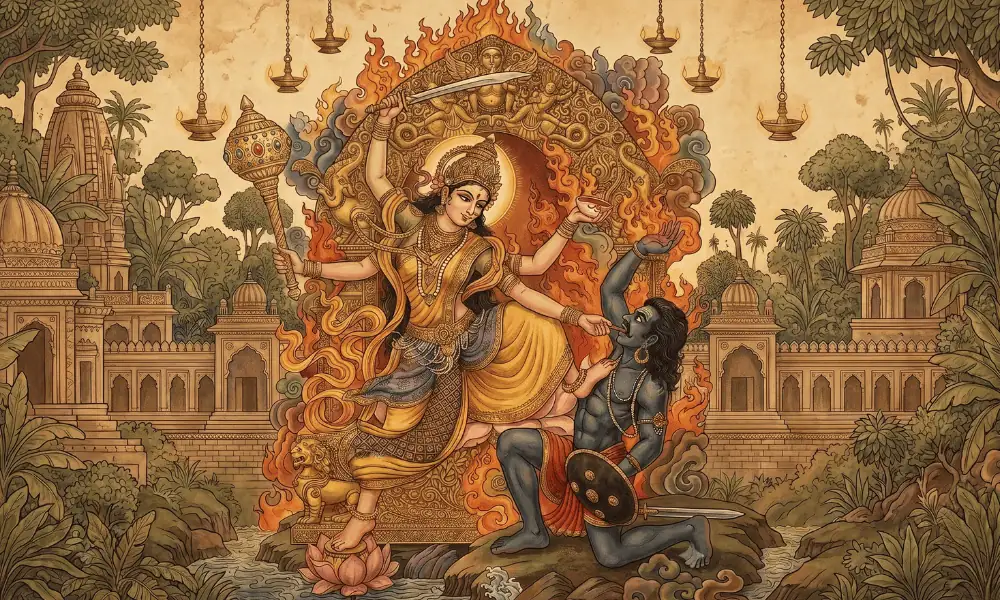
When Is Baglamukhi Jayanti 2027?
Baglamukhi Jayanti 2027 will be observed on Thursday, May 13, 2027.
According to the Hindu calendar, Baglamukhi Jayanti falls on Vaishakha Shukla Ashtami. Panchang calculations can vary slightly according to location, so devotees should check the local Panchang for exact tithi and Puja timings. For example, Drik Panchang lists May 13, 2027 for multiple Indian locations.
| Baglamukhi Jayanti 2027 | Details |
|---|---|
| Festival | Baglamukhi Jayanti |
| Date | May 13, 2027 |
| Day | Thursday |
| Hindu Tithi | Vaishakha Shukla Ashtami |
| Frequency | Every year |
Baglamukhi Jayanti is also commonly written as Bagalamukhi Jayanti, so both spellings may appear in search results and devotional literature.
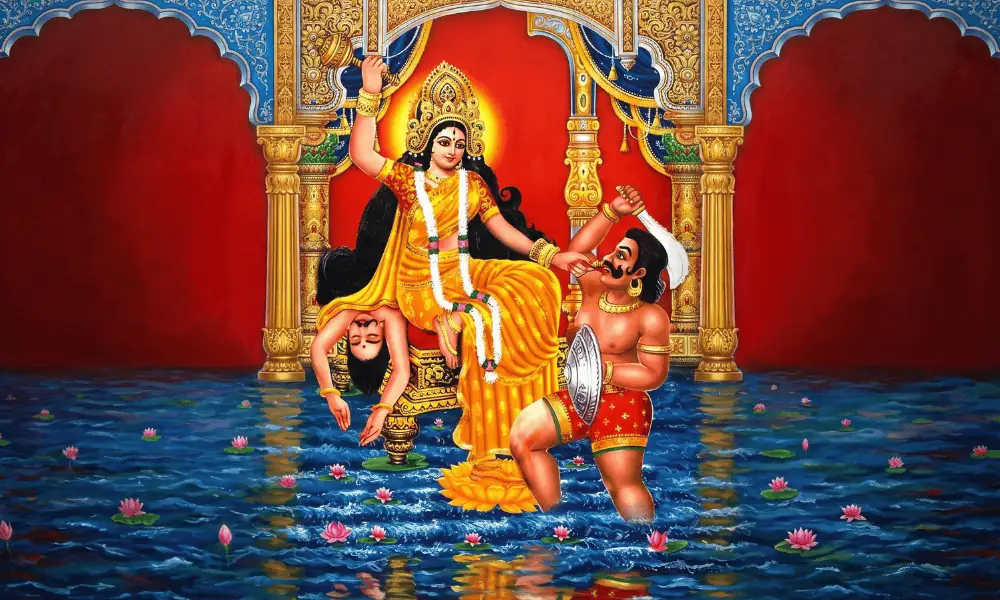
What Is Baglamukhi Jayanti?
Baglamukhi Jayanti is the annual observance dedicated to Maa Baglamukhi, who is traditionally counted as the eighth among the Ten Mahavidyas.
The day commemorates the divine manifestation of Maa Baglamukhi and is observed by devotees through worship, prayer, Mantra recitation and other traditional practices.
Maa Baglamukhi is traditionally associated with strength, stillness, clarity, protection and the ability to bring restraint to difficult situations. Her worship has an important place within the Shakta tradition and among the Ten Mahavidyas.
For a broader understanding of the Ten Mahavidyas and Maa Baglamukhi’s place among them, see our detailed guide to the 10 Mahavidyas.
Why Is Baglamukhi Jayanti Celebrated?
Baglamukhi Jayanti is celebrated as a day of devotion and remembrance of Maa Baglamukhi.
According to traditional accounts, Maa Baglamukhi manifested during a time of great disturbance and is associated with the power to still or restrain forces that create disorder. This symbolism is reflected in her traditional worship and iconography.
For devotees, the occasion provides an opportunity to:
Offer prayers to Maa Baglamukhi.
Express gratitude and devotion.
Make a personal Sankalp.
Recite Maa Baglamukhi Mantra or devotional prayers.
Perform or participate in Puja and Havan.
Spend time in spiritual reflection and worship.
The observance is therefore not simply about a particular date. It is an opportunity for devotees to dedicate time to Maa Baglamukhi through sincere prayer and traditional worship.
Significance of Baglamukhi Jayanti
The significance of Baglamukhi Jayanti comes from Maa Baglamukhi’s place within the Ten Mahavidyas and the traditional symbolism associated with her worship.
Maa Baglamukhi is often associated with stillness, focused awareness, strength and protection. Her traditional imagery and worship emphasize the power of restraint and the ability to bring stability when circumstances are unsettled.
Maa Baglamukhi and the colour yellow
Maa Baglamukhi is traditionally known as Pitambara Devi, and the colour yellow has a prominent place in her worship and iconography.
Yellow clothing, yellow flowers, turmeric and other yellow offerings are commonly associated with her traditional worship. The association with yellow is also reflected in descriptions of Maa Baglamukhi as Pitambara.
Devotees may therefore choose yellow clothing or traditional yellow offerings when observing Baglamukhi Jayanti, according to their family or spiritual tradition.
Baglamukhi Jayanti and Sankalp
A sincere Sankalp is an important part of traditional Hindu worship. On Baglamukhi Jayanti, devotees may make a personal prayer or Sankalp before Maa Baglamukhi.
A Sankalp may express a devotee’s sincere intention, prayer or spiritual purpose. It is best approached with devotion rather than as a guarantee of a particular result.
What to Do on Baglamukhi Jayanti?
Devotees can observe Baglamukhi Jayanti through simple prayer at home or through a traditional Puja or Havan performed with appropriate guidance.
Some common ways to observe the day include:
- Clean the worship space and prepare for the day’s prayer.
- Place an image or murti of Maa Baglamukhi in the worship area.
- Light a diya and offer traditional devotional items.
- Offer flowers, turmeric or other offerings according to your tradition.
- Recite a Maa Baglamukhi Mantra or devotional prayer.
- Make a personal Sankalp with sincerity and devotion.
- Read the Baglamukhi Chalisa, Stotram or Aarti.
- Perform or participate in a Baglamukhi Puja or Havan.
- Conclude the worship with prayer and Prasad.
The form of worship can be simple or elaborate depending on the devotee’s tradition, experience and circumstances.
Baglamukhi Jayanti Puja Vidhi
A simple devotional Baglamukhi Jayanti Puja at home may follow this general sequence:
1. Prepare the worship space
Clean the place of worship and arrange the image or murti of Maa Baglamukhi.
2. Begin with prayer
Light a diya and offer a simple prayer before beginning the Puja.
3. Take Sankalp
State your name and your sincere prayer or intention before Maa Baglamukhi.
4. Offer traditional items
Offer flowers, water, turmeric, Prasad and other items according to your family’s or Guru’s tradition.
5. Recite Mantra
Recite an appropriate Maa Baglamukhi Mantra with concentration and devotion.
6. Offer prayer
Spend a few moments in quiet prayer and remembrance of Maa Baglamukhi.
7. Complete the Puja
Conclude with Aarti and Prasad.
A formal Vedic Baglamukhi Puja can involve a more detailed sequence and should be performed according to the relevant tradition and guidance.
For a detailed explanation of Baglamukhi Puja, see our dedicated Baglamukhi Puja guide.
Baglamukhi Jayanti Mantra
Devotees who traditionally recite Maa Baglamukhi Mantra may include Mantra Japa as part of their Jayanti worship.
One commonly recited Maa Baglamukhi Mantra is:
ॐ ह्लीं बगलामुखी सर्वदुष्टानां वाचं मुखं पदं स्तम्भय जिह्वां कीलय बुद्धिं विनाशय ह्लीं ॐ स्वाहा॥
Mantra practice should be approached with respect and according to the devotee’s tradition and guidance.
For the complete Mantra, meaning, pronunciation and detailed practice guidance, read our dedicated Maa Baglamukhi Mantra guide.
How to Worship Maa Baglamukhi on Jayanti
Worship on Baglamukhi Jayanti does not have to be complicated.
The most important part of devotional worship is approaching Maa Baglamukhi with sincerity, respect and concentration.
A devotee may:
- Begin the day with prayer.
- Keep the worship space clean.
- Offer a diya and flowers.
- Use traditional yellow offerings if desired.
- Recite Maa Baglamukhi Mantra.
- Read the Baglamukhi Chalisa or Stotram.
- Perform Aarti.
- Make a personal Sankalp.
- Participate in a traditional Puja or Havan.
Devotees who already have a regular form of Maa Baglamukhi worship can continue their established practice on Jayanti.
You can also explore our Baglamukhi Chalisa, Baglamukhi Aarti and Baglamukhi Stotram resources for devotional practice.
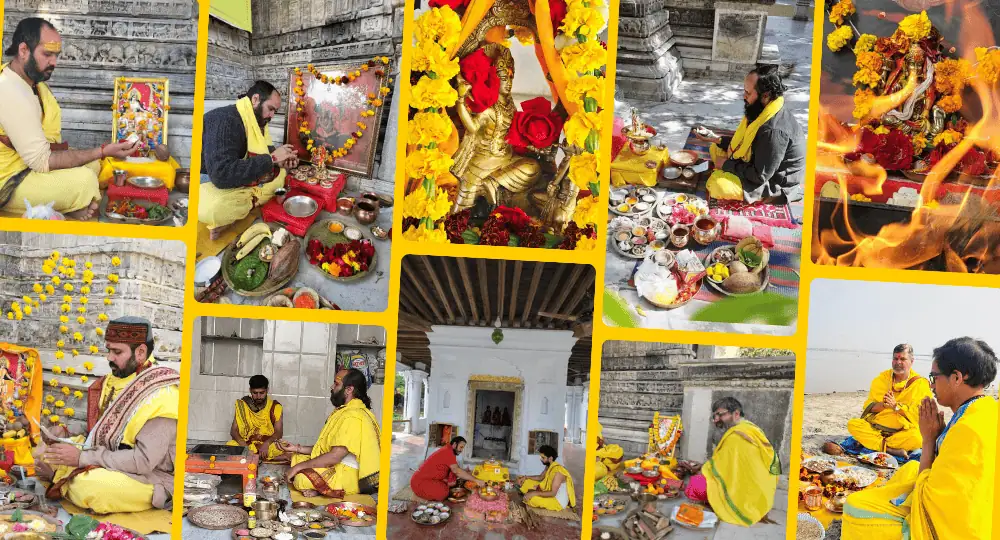
Baglamukhi Jayanti Havan
Havan is an important form of traditional Hindu worship in which offerings are made into a sacred fire while appropriate Mantras are recited.
A Baglamukhi Havan is a Havan dedicated to Maa Baglamukhi and may be performed as part of a larger Puja.
On Baglamukhi Jayanti, devotees may participate in a traditional Havan as an expression of devotion and prayer.
A formal Havan involves specific procedures, offerings and Mantras. Those who are not familiar with the ritual may prefer to participate through a qualified Vedic priest rather than attempting a complex ceremony without guidance.
At Baglamukhi Guru, online Baglamukhi Puja and Havan can be performed with a personalized Sankalp using the devotee’s Name, Gotra and Manokamna. The ceremony includes traditional Puja and Havan, and a recording of the ceremony is provided after the Puja.
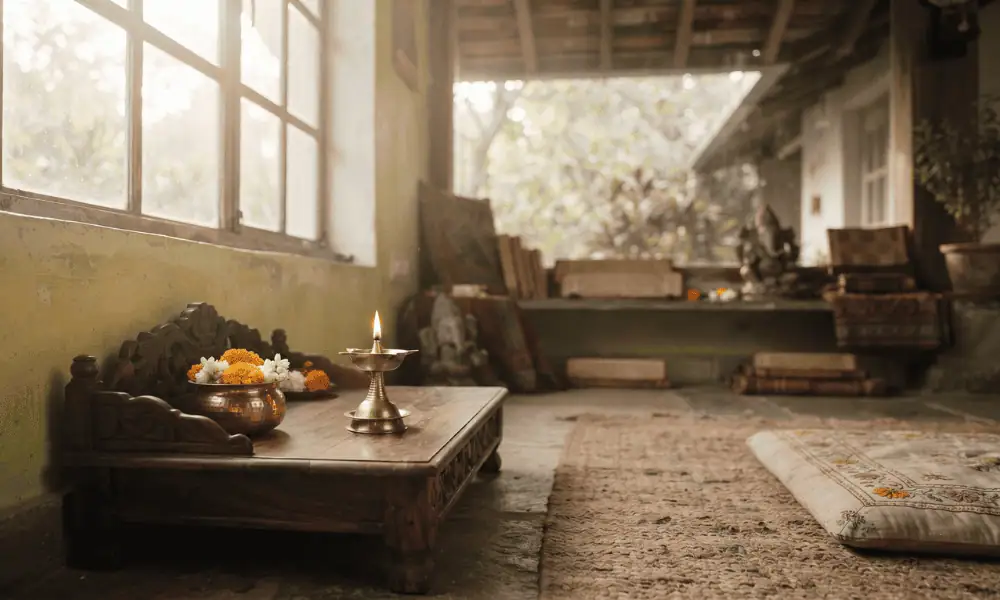
Observing Baglamukhi Jayanti at Home
Devotees who cannot attend a temple or participate in a formal ceremony can observe Baglamukhi Jayanti at home through simple devotional worship.
A simple home observance may include:
- A clean worship space.
- An image or murti of Maa Baglamukhi.
- A diya.
- Yellow flowers or traditional offerings.
- Turmeric, where appropriate.
- Maa Baglamukhi Mantra.
- Baglamukhi Chalisa or Stotram.
- Aarti.
- Personal prayer and Sankalp.
There is no need to make the worship unnecessarily complicated. A sincere prayer offered with devotion can be the central part of the observance.
If you are planning a more elaborate Puja or Havan, especially one involving specific ritual procedures or Mantras, it is appropriate to follow the guidance of a qualified priest or your established spiritual tradition.
For a step-by-step guide to worshipping Maa Baglamukhi at home, see our dedicated Worship Maa Baglamukhi at Home guide.
Baglamukhi Jayanti - FAQ's
Baglamukhi Jayanti is observed every year on Vaishakha Shukla Ashtami, according to the Hindu lunar calendar. The Gregorian date changes each year.
Baglamukhi Jayanti 2027 will be observed on Thursday, May 13, 2027. It falls on Vaishakha Shukla Ashtami. Exact tithi timings should be checked according to the devotee’s location.
Baglamukhi Jayanti is the annual observance dedicated to Maa Baglamukhi, one of the Ten Mahavidyas. Devotees observe the day through prayer, Puja, Mantra, Havan and other traditional forms of worship.
You can worship Maa Baglamukhi at home by lighting a diya, offering traditional items, reciting Mantra or devotional prayers, making a sincere Sankalp and performing Aarti. You may also participate in a traditional Baglamukhi Puja or Havan.
Maa Baglamukhi can be worshipped through traditional Puja, Mantra Japa, Chalisa, Stotram, Aarti, Havan or simple devotional prayer at home. Follow your family tradition, Guru’s guidance or a suitable traditional method.
Devotees may recite a traditional Maa Baglamukhi Mantra as part of their worship. Those undertaking more formal Mantra practice should follow appropriate traditional guidance. Our detailed Maa Baglamukhi Mantra guide explains the Mantra and its practice in greater detail.
Yes. Devotees can observe Baglamukhi Jayanti at home through simple prayer, Puja, Mantra, Chalisa, Stotram and Aarti. More elaborate rituals such as formal Havan can be undertaken according to one’s tradition and with appropriate guidance.
Yes. Baglamukhi Jayanti is observed annually on Vaishakha Shukla Ashtami. Because the Hindu calendar is lunar, its Gregorian date changes from year to year.
Baglamukhi Jayanti 2028 will be observed on Tuesday, May 2, 2028, according to current Panchang calculations. Exact tithi timings can vary by location.
Baglamukhi Jayanti 2029 will be observed on Monday, May 21, 2029, according to current Panchang calculations. Exact tithi timings can vary by location.
Toggle Content